Bukhara

Samarkand

Khiva

Tashkent

Kokand

Urgench

I want to be here

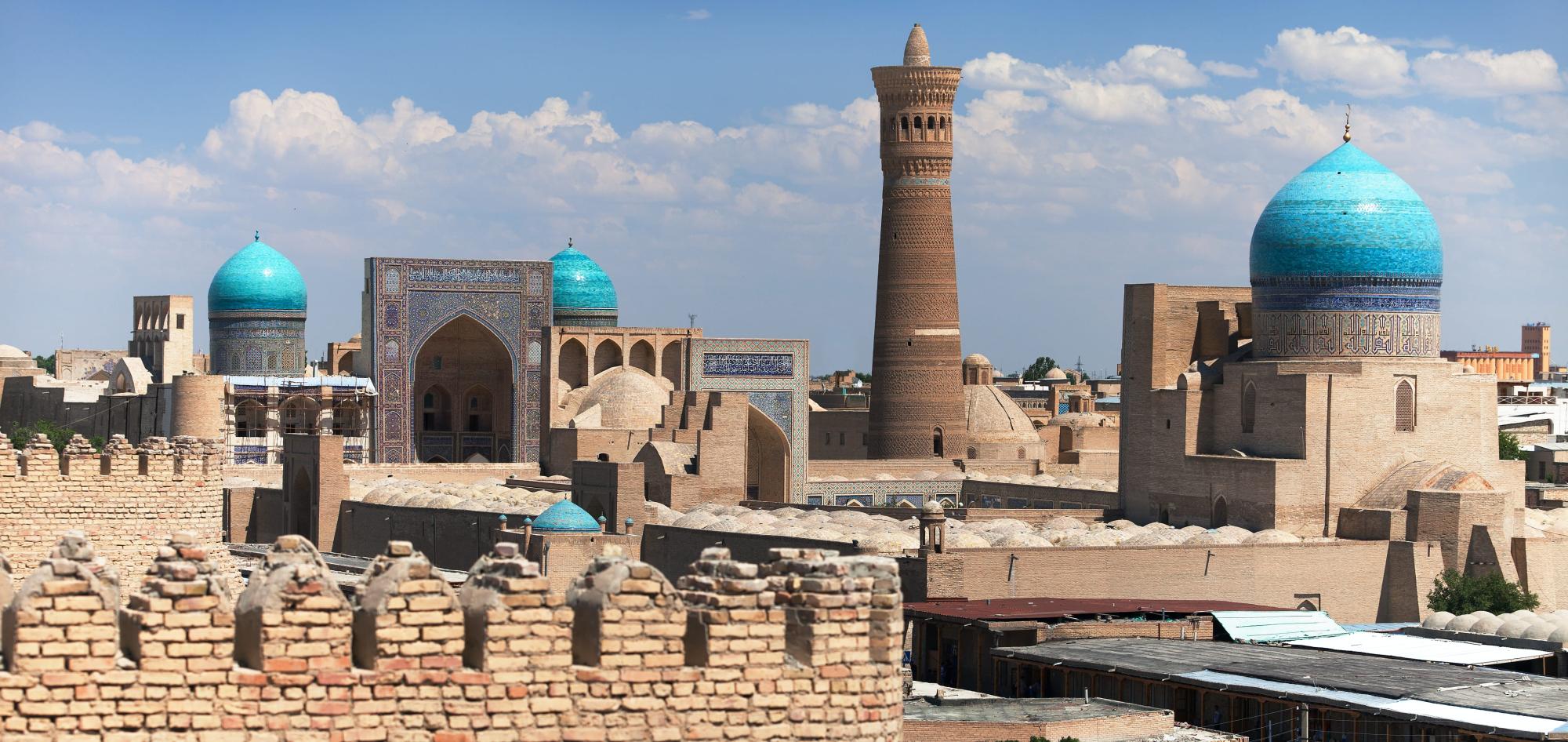
Bukhara

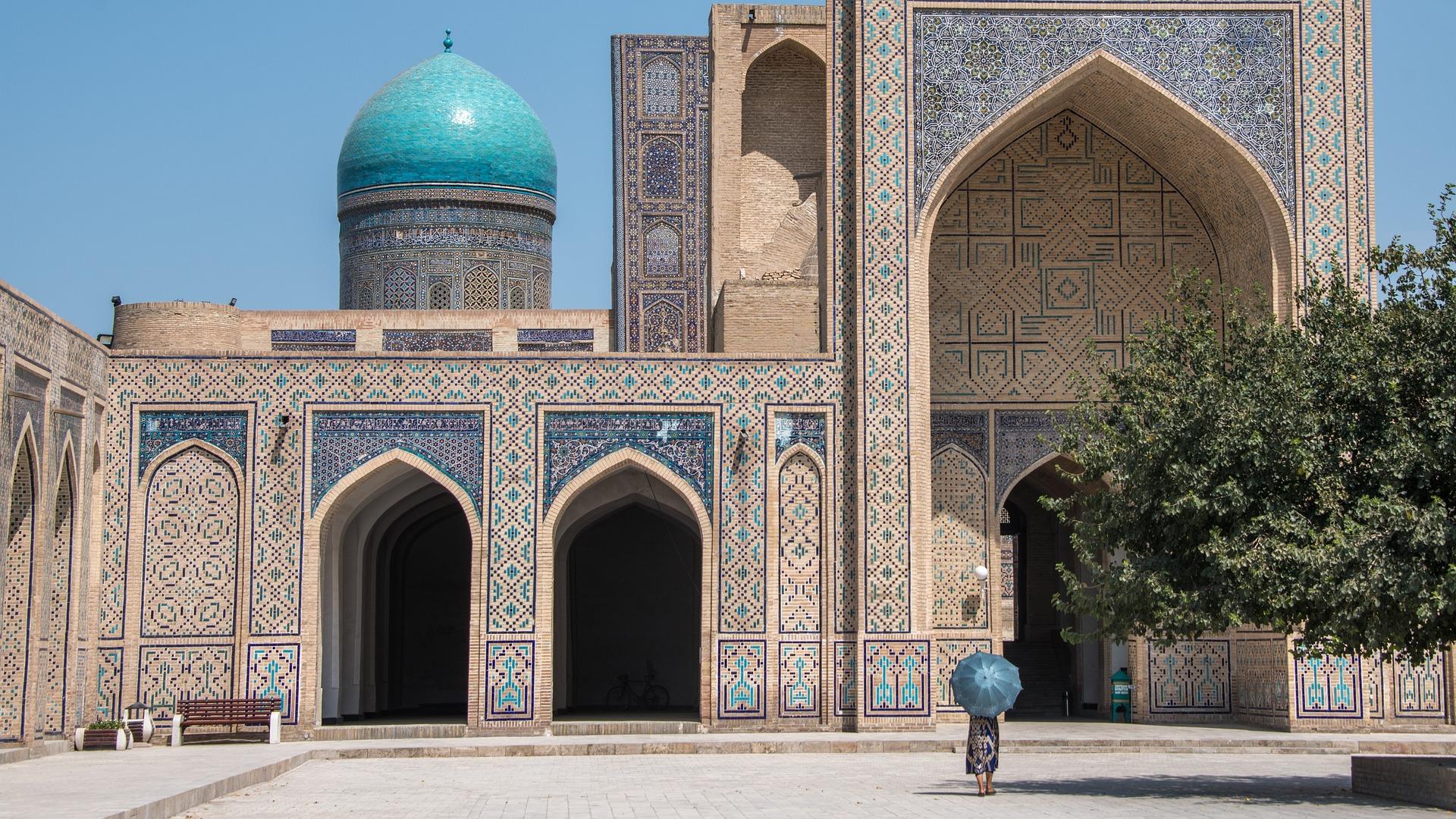
Bukhara is one of the oldest cities in Central Asia, remaining for over two thousand years a major center of culture, science, and spiritual life. During the Silk Road era, caravans from across the East gathered here, turning the city into a meeting point of ideas, knowledge, and traditions. Its historic center is a UNESCO World Heritage Site, preserving dozens of architectural monuments, including madrasahs, mosques, minarets, and caravanserais. The Lyabi-Hauz ensemble, built around an ancient pond, has long been a vibrant social hub. Bukhara is also closely associated with the legendary figure of Nasreddin — a wise and witty hero of Eastern folklore. The city retains a calm rhythm and a warm atmosphere, where history can be felt in every detail.

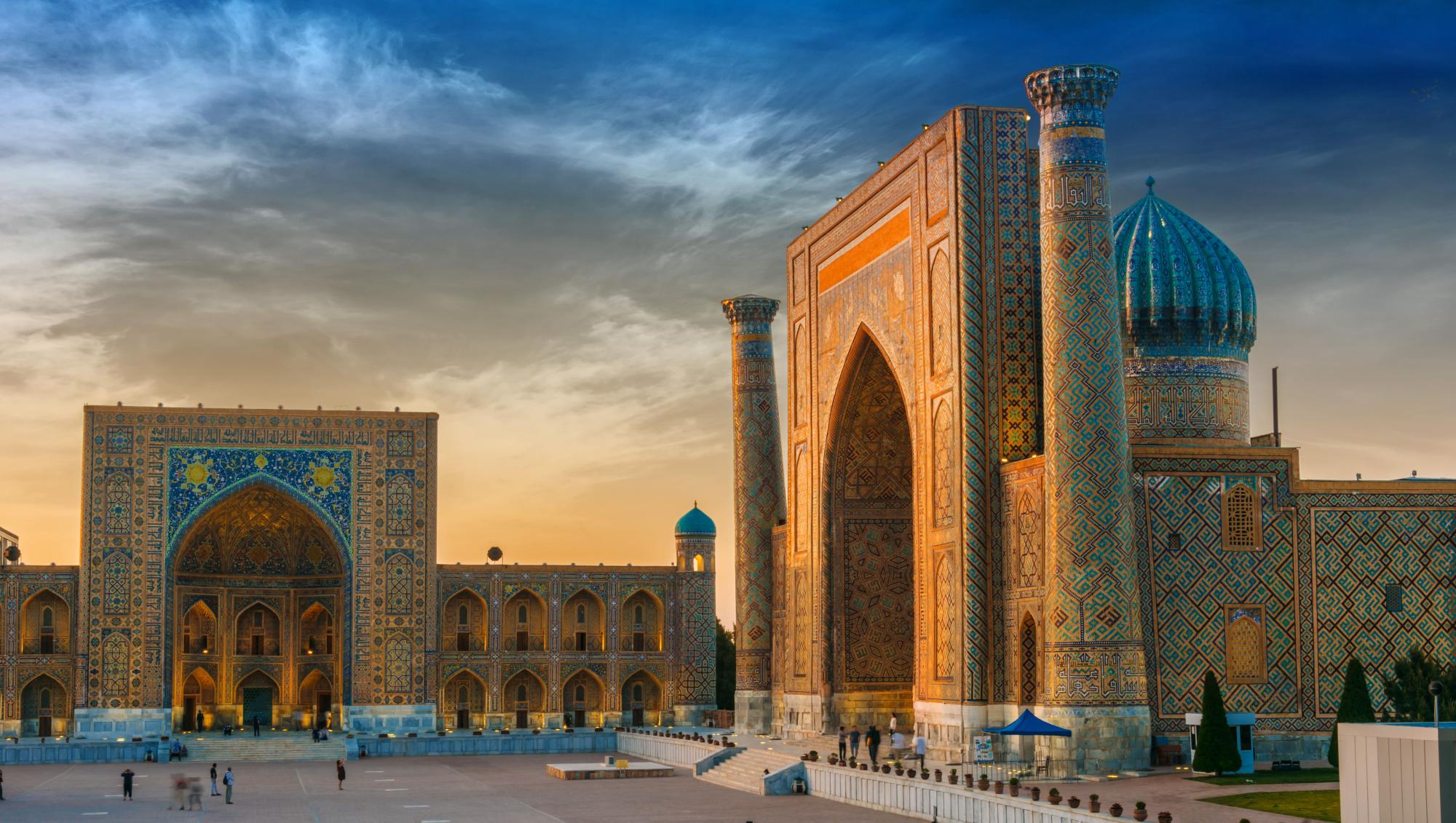
Samarkand

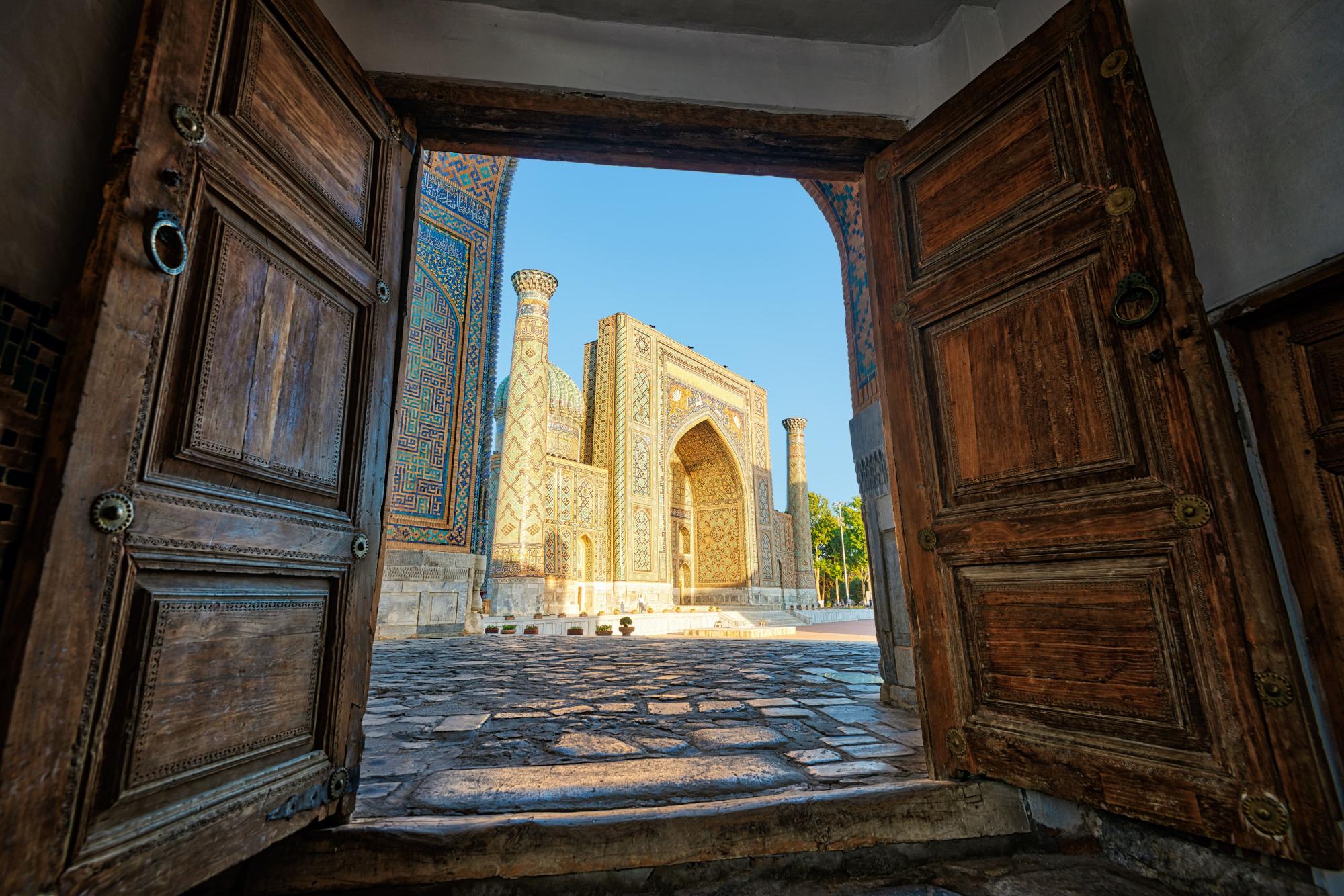
Samarkand — one of the oldest cities in the world, with a history spanning over 2,500 years. It was a key center of the Great Silk Road, where cultures, trade, and knowledge intersected. In the 14th century, Timur made it the capital of his empire, turning the city into a symbol of power and beauty in the East.

The heart of Samarkand is Registan Square, surrounded by three magnificent madrasahs adorned with intricate mosaics and turquoise domes. Equally remarkable are the Gur-Emir Mausoleum, the resting place of Timur, and the grand Bibi-Khanym Mosque, wrapped in legends of love and devotion. The Shah-i-Zinda necropolis, often called the “street of mausoleums,” is a unique ensemble where each structure tells its own story.

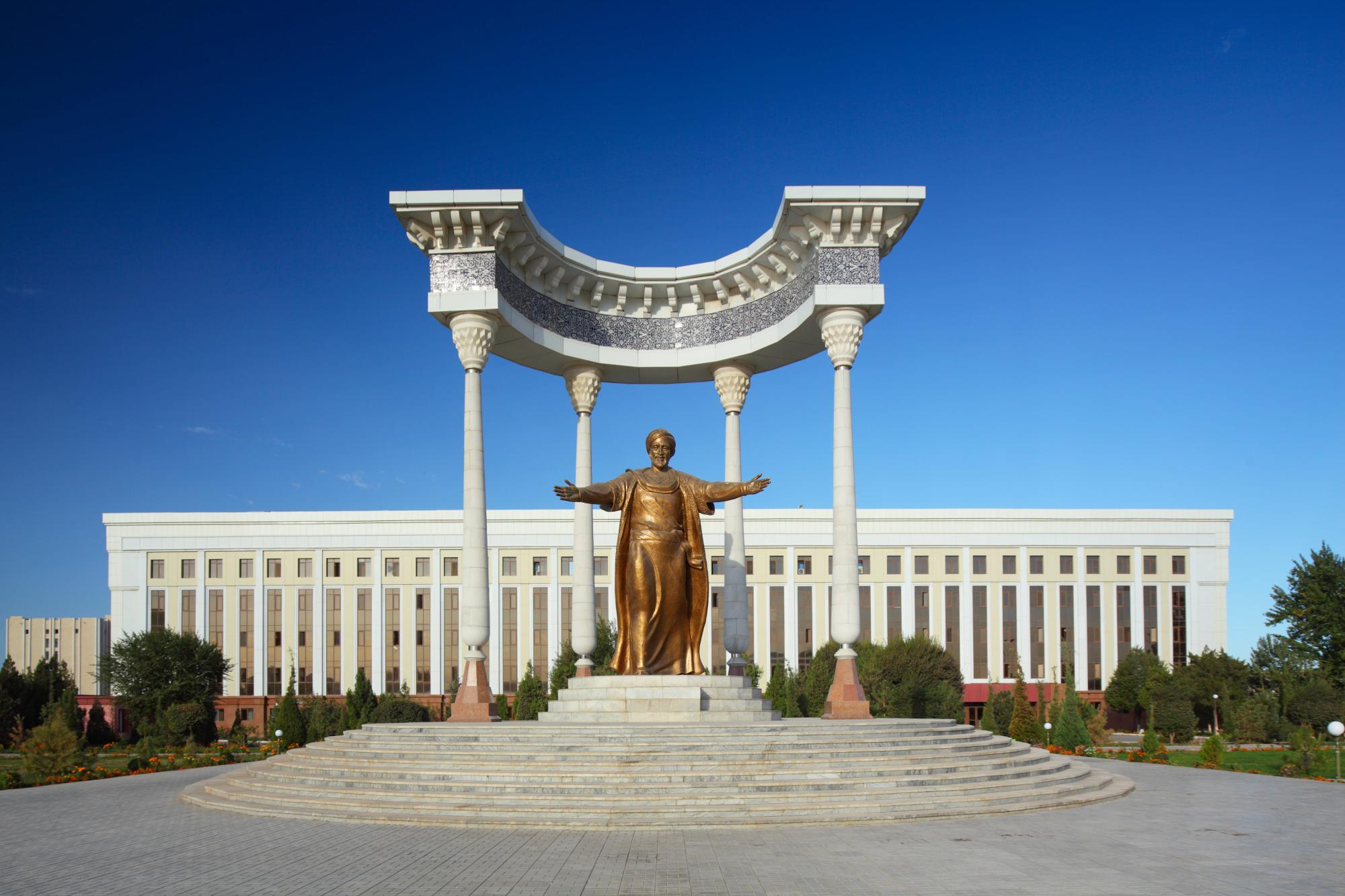
Samarkand is also known as a center of science: it was home to Ulugh Beg, a great astronomer who built one of the most precise observatories of his time. The city preserves the spirit of the ancient East — in its narrow streets, lively bazaars, and the warm glow of historic architecture. Samarkand is a place where history not only survives, but truly lives.

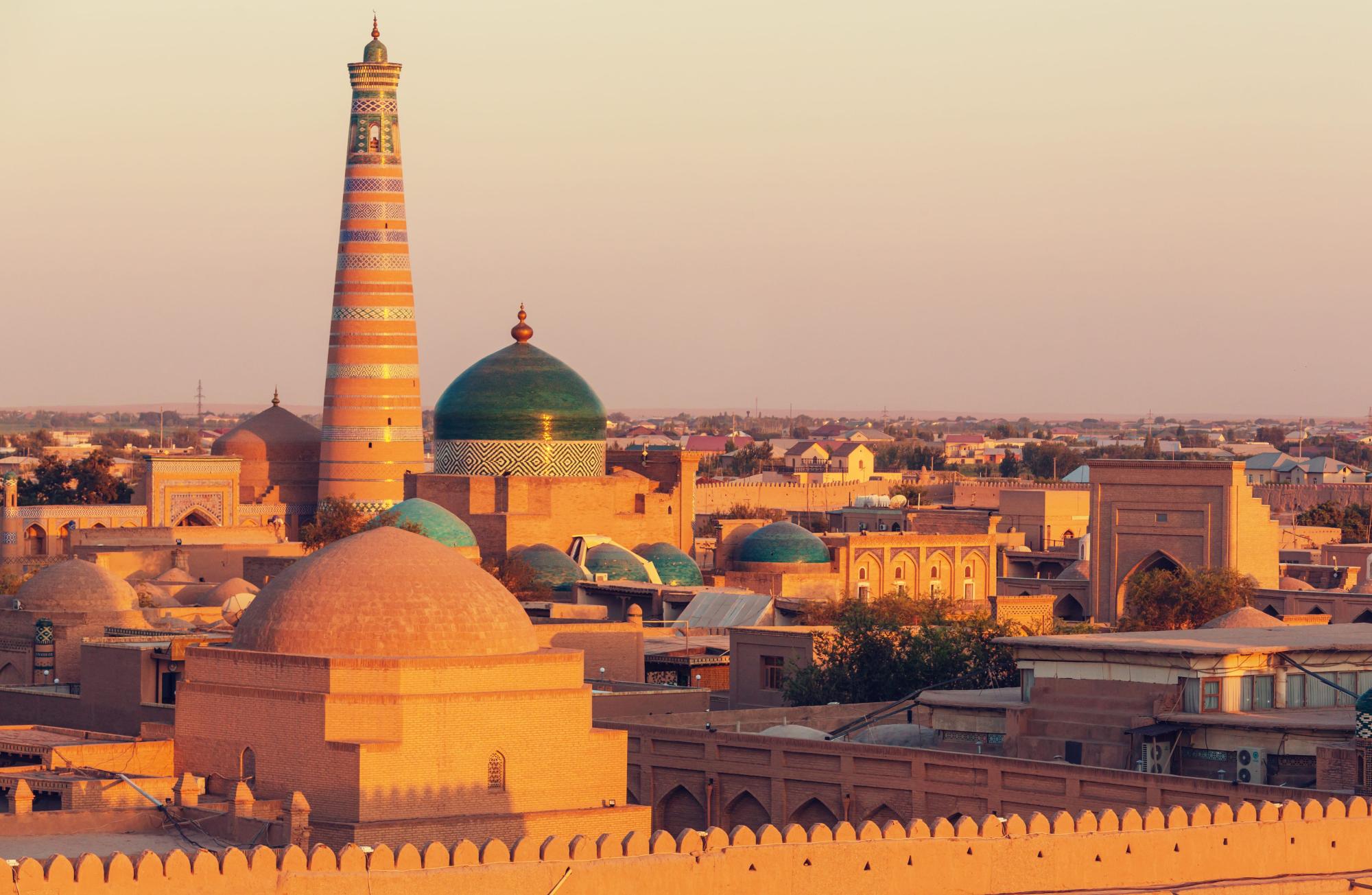
Khiva

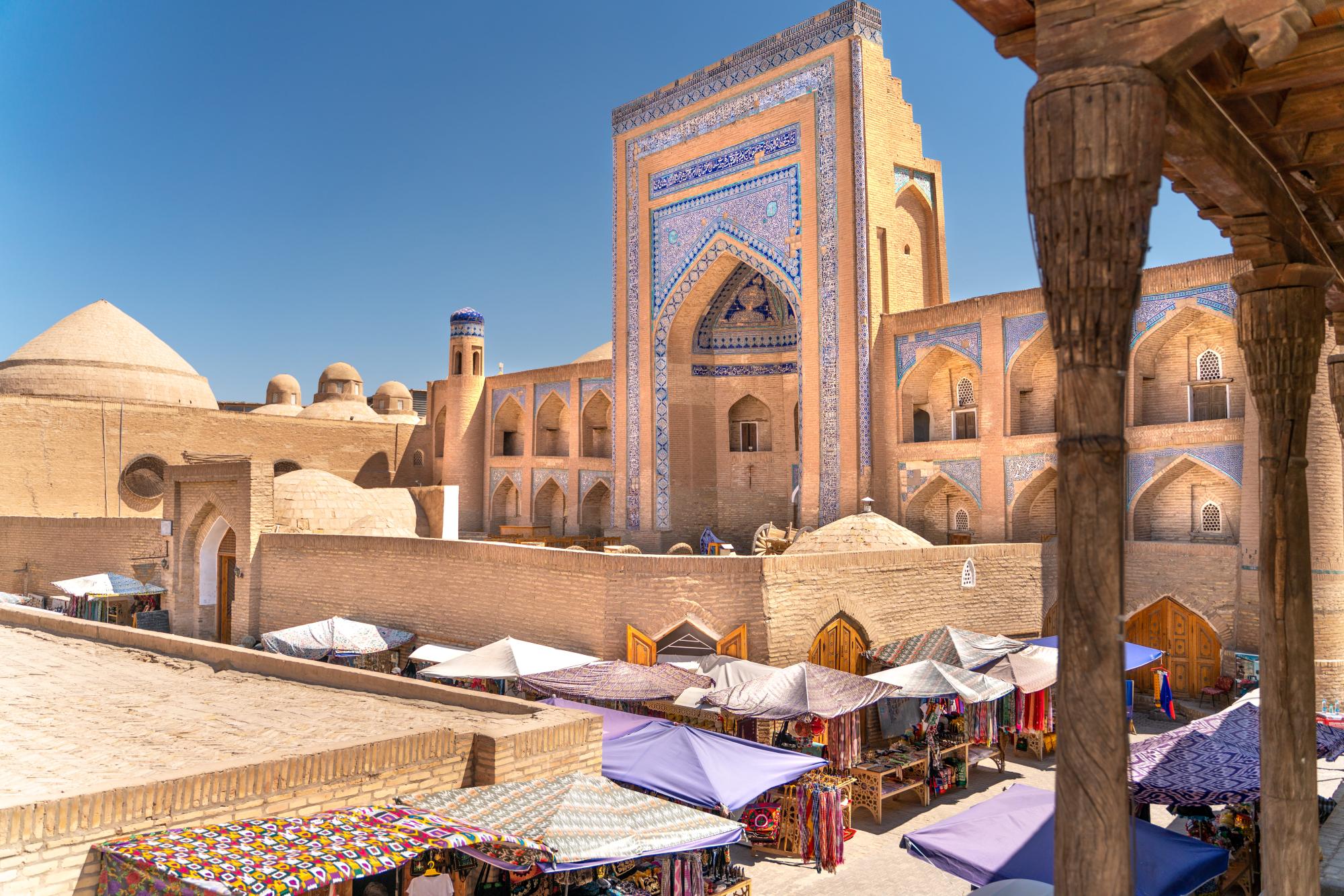
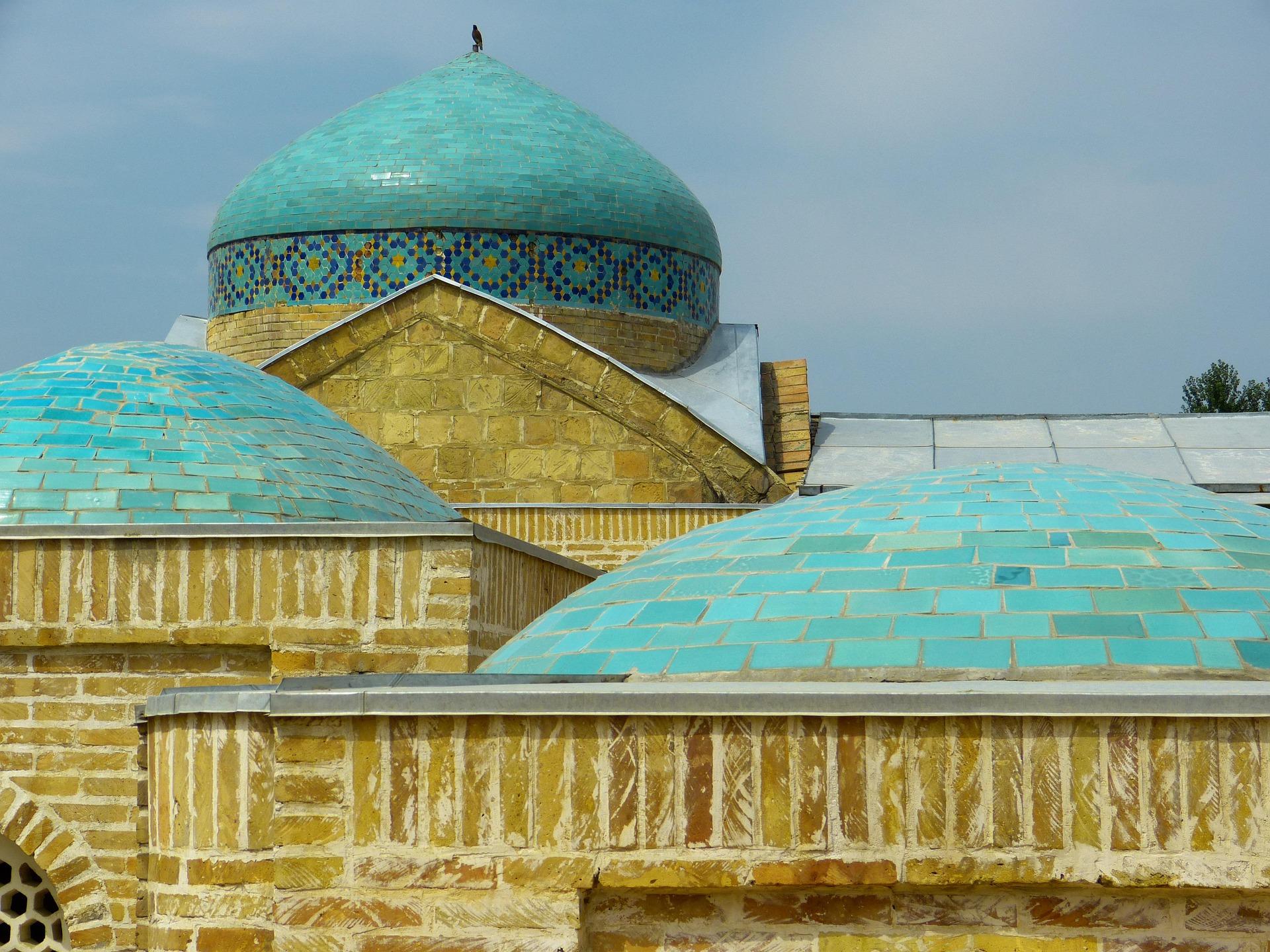
Khiva is a unique fortress city that seems frozen in time. Its historic core, Itchan Kala, is surrounded by massive clay walls and has preserved the complete appearance of a medieval city. Inside, palaces, minarets, madrasahs, and mosques form a unified architectural ensemble. Khiva once played an important role along caravan routes, with markets known far beyond the region.

The city also carries a complex past, having been a center of trade, including slave markets. Today, it offers an authentic glimpse into Eastern architecture and history. The Kalta Minor minaret, covered in bright turquoise tiles, is one of Khiva’s most iconic landmarks. Narrow streets, earthen walls, and quiet surroundings create a deep sense of stepping into the past.

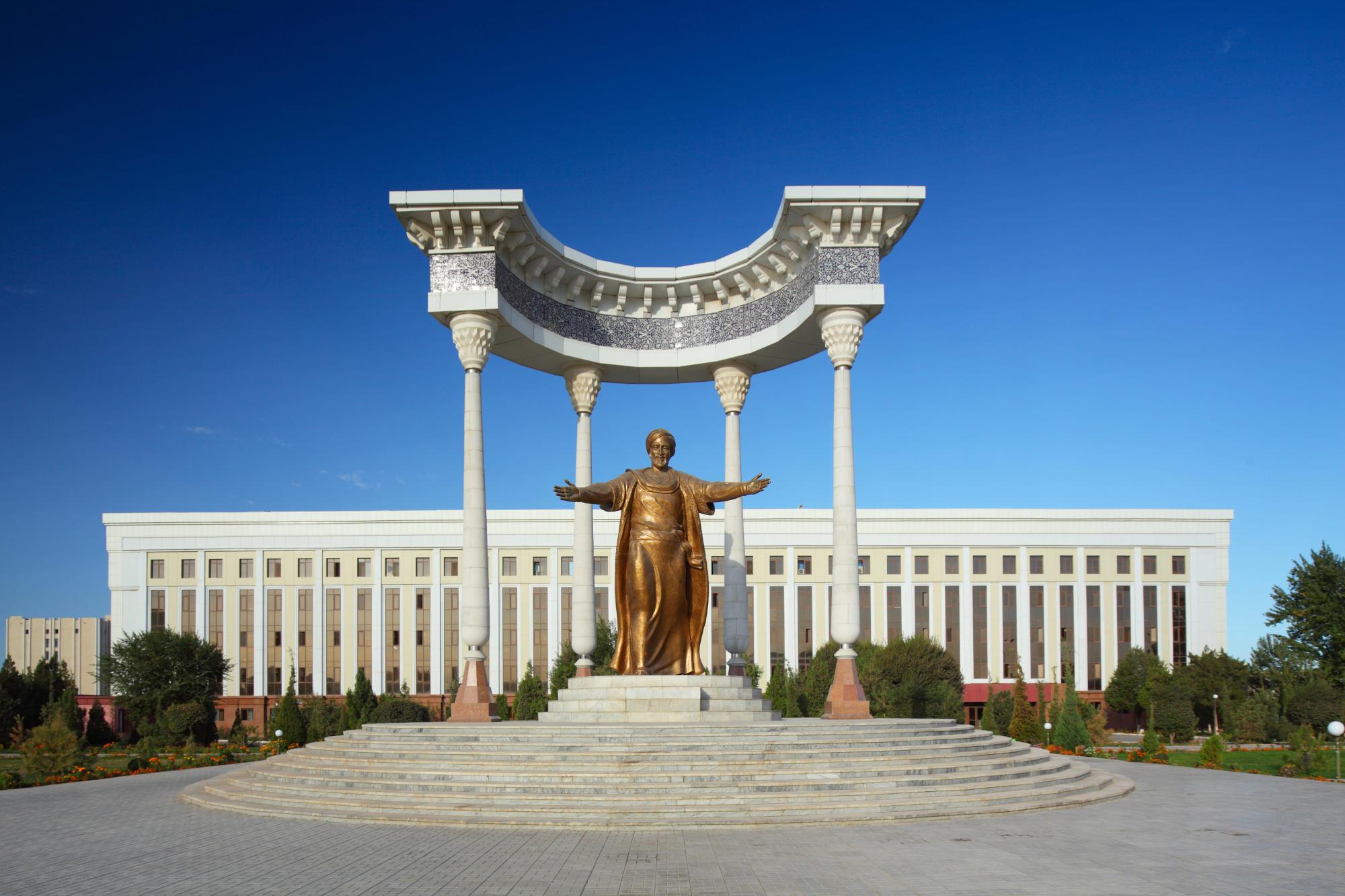
Tashkent

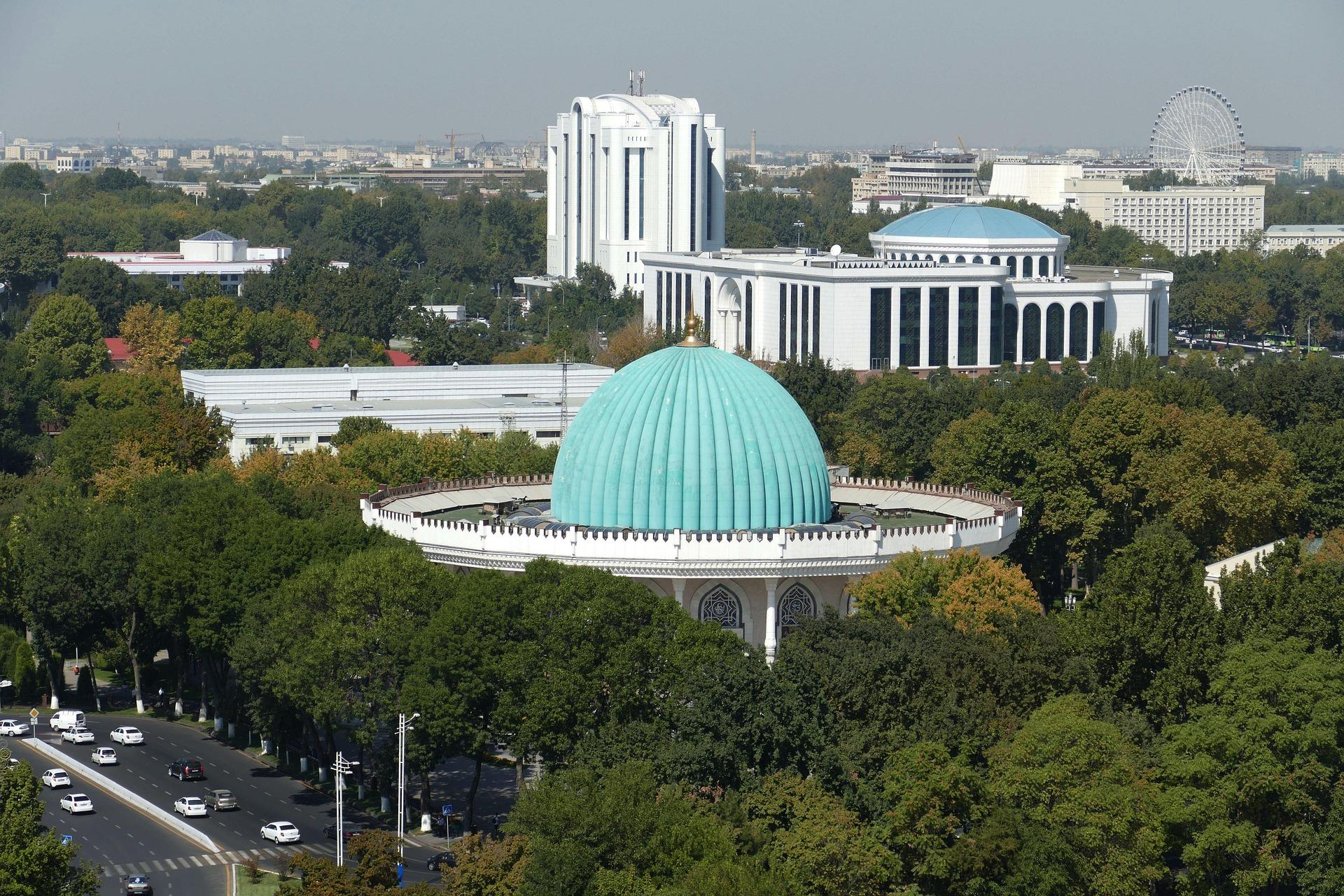
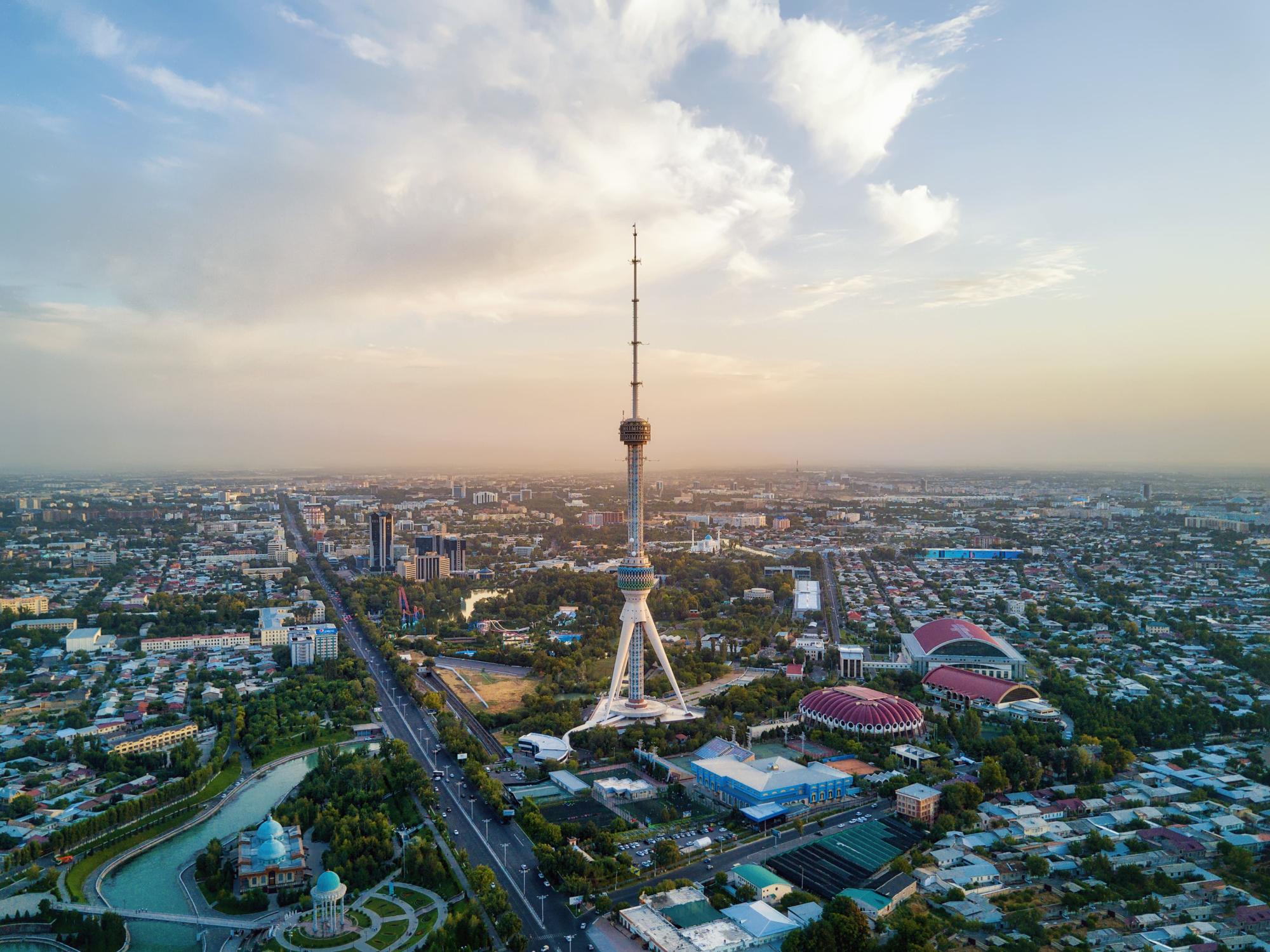
Tashkent — the modern capital of Uzbekistan, where urban energy blends with Eastern calm and tradition. Located in one of the greenest regions of the country, Tashkent is known for its wide avenues, shaded boulevards, and a comfortable atmosphere that makes it easy to feel the rhythm of the city.

With a history spanning over 2,000 years, Tashkent has evolved from a key point on the Silk Road into a vibrant modern capital. Today, the city brings together architecture from different eras — from traditional madrasahs and mosques to contemporary buildings and spacious squares.

A highlight of the city is the Khast-Imam complex, home to one of the oldest Qurans in the world. Tashkent is also known for its lively bazaars, where the spirit of the East can be felt, and for its cuisine — from aromatic plov to freshly baked bread and local specialties.

Tashkent offers a sense of ease and openness, combining cultural heritage, modern life, and warm hospitality. It is a natural starting point for discovering Uzbekistan.

Kokand

Kokand — a historic city in the Fergana Valley, known for its rich cultural heritage and warm Eastern atmosphere. Surrounded by fertile lands and gardens, it has long been an important center of trade and craftsmanship in the region.

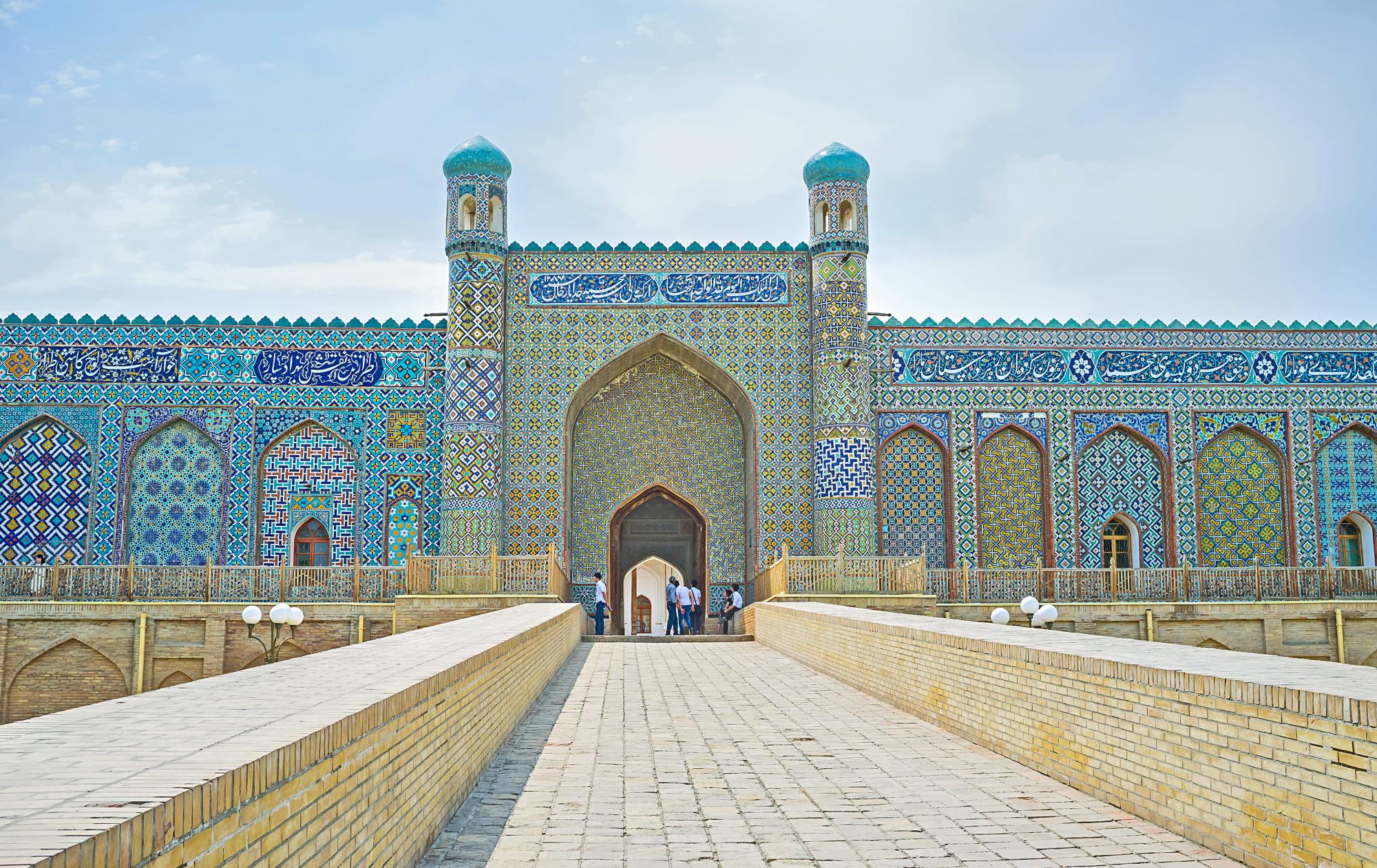
In the 18th–19th centuries, Kokand became the capital of the Kokand Khanate and played a significant role in the political and cultural life of Central Asia. The city’s main landmark is the Khudayar Khan Palace — a striking architectural ensemble with intricate carvings and richly decorated facades that reflect the elegance of its era.

Kokand is also known for its traditional crafts, ceramics, textiles, and lively bazaars, where the spirit of the old East is still present. The city offers a calm rhythm of life, filled with history, warmth, and genuine hospitality, creating a sense of authenticity and quiet charm.

Urgench

Urgench — a modern city in western Uzbekistan, serving as the gateway to ancient Khiva and the cultural heritage of the Khorezm region. Located on the plains near the Amu Darya River, it offers a calm atmosphere combined with convenient urban infrastructure.

The history of this region dates back thousands of years, as it was once home to the ancient civilization of Khorezm, known for its scholars, craftsmanship, and trade routes. Today, Urgench is an important transport and cultural hub, providing easy access to historical sites and ancient cities nearby.

The city is known for its relaxed pace, green streets, and proximity to уникальные достопримечательности. Urgench is the starting point for discovering the rich history of Khorezm and the timeless spirit of the East.

Please, wait